
Ball Valve vs. Butterfly Valve: Which One Suits Your Application Better?
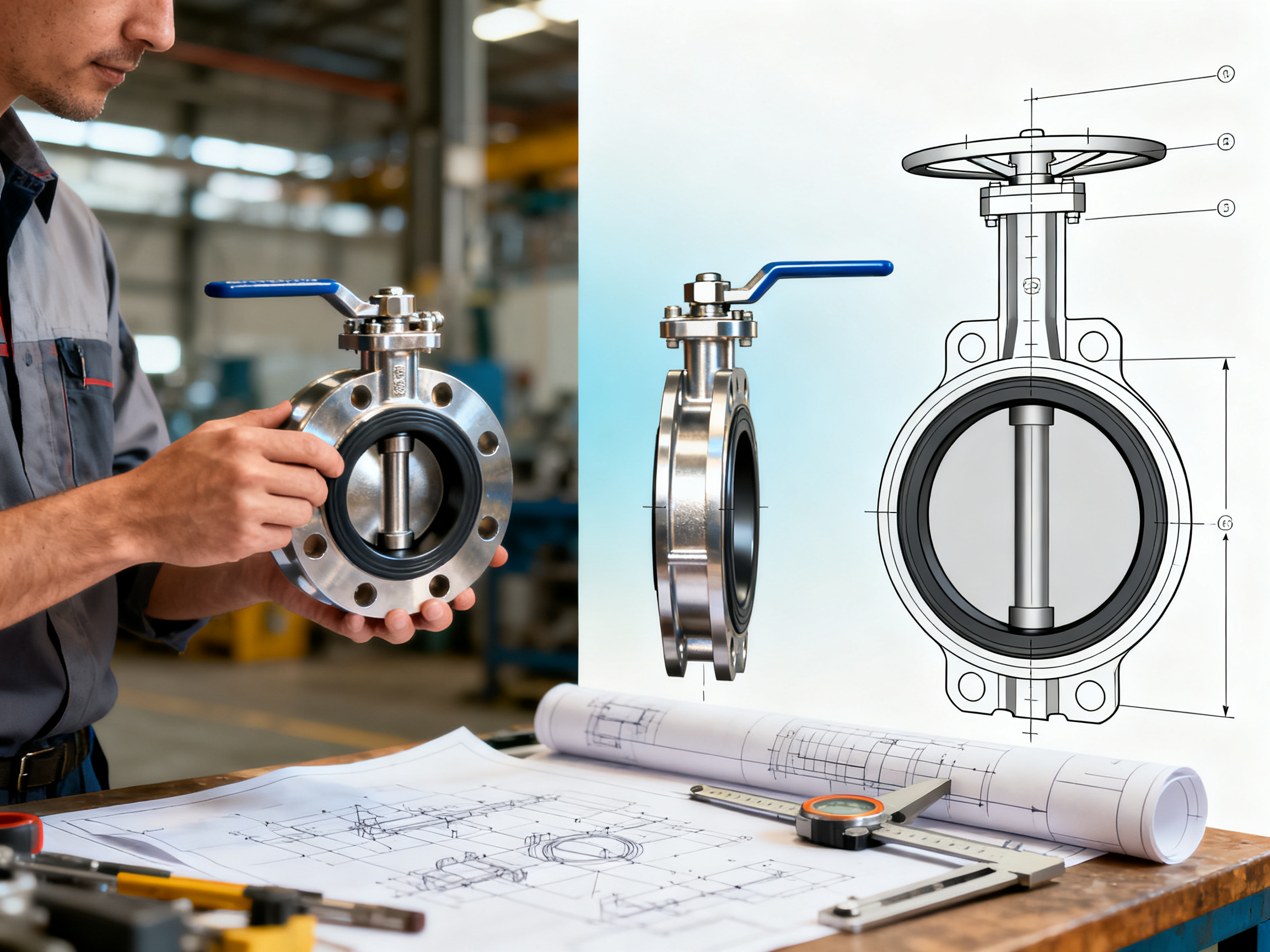
Choosing between ball valves and butterfly valves can significantly impact your industrial system's performance and efficiency. This comprehensive guide compares these two essential valve types (along with gate valves, check valves, and tank valves) to help engineers, procurement specialists, and maintenance professionals make informed decisions. We'll analyze their structural differences, operational characteristics, and ideal applications to ensure you select the perfect valve solution for your specific needs.
Definition & Core Differences
Ball valves feature a spherical disc with a bore that rotates 90 degrees to control flow, offering excellent shut-off capability. Butterfly valves use a circular disc mounted on a rotating shaft, providing quick operation in large diameter applications. While both belong to the quarter-turn valve family, their sealing mechanisms differ substantially - ball valves achieve bubble-tight seals through compressive force, whereas butterfly valves rely on interference fit between the disc and resilient seat.
Technical Performance Comparison
When evaluating ball valves vs butterfly valves for industrial equipment applications, consider these critical parameters:
Application Scenarios Analysis
For high-pressure hydrocarbon systems requiring absolute isolation, ball valves outperform butterfly valves due to their robust construction. However, butterfly valves excel in water treatment plants and HVAC systems where space and weight constraints exist. Gate valves remain preferable for straight-through flow applications, while check valves serve critical roles in preventing backflow. Tank valves specifically designed for storage applications combine features from multiple valve types.
Procurement & Selection Guide
When specifying valves for your industrial components system, consider these factors:
- Media Compatibility: Ball valves handle aggressive chemicals better due to PTFE seats
- Maintenance Requirements: Butterfly valves allow easier seat replacement without system disassembly
- Actuation Needs: Ball valves require higher torque, impacting automation costs
- Lifecycle Cost: Butterfly valves typically offer 30-50% cost savings in large diameters
Industry Standards & Certifications
Reputable valve manufacturers comply with:
- API 6D for pipeline valves
- ASME B16.34 for pressure-temperature ratings
- ISO 5211 for mounting dimensions
- PED 2014/68/EU for European markets
- NACE MR0175 for sour service applications
Why Choose Our Valve Solutions?
With decades of experience in industrial valve manufacturing, we provide:
- Custom-engineered solutions for unique applications
- Third-party certified products with full traceability
- Global technical support and inventory availability
- Competitive pricing with 20% shorter lead times than industry average
Contact our engineering team today for personalized valve selection assistance and system optimization recommendations.

Send Us A Message