Selecting the right check valve is critical for system efficiency and safety. Whether you're evaluating gate valves, globe valves, ball valves, butterfly valves, or tank valves, understanding key selection factors can prevent costly downtime. This guide examines the top 5 considerations for engineers, purchasers, and maintenance professionals to ensure optimal valve performance in industrial applications.
1. Valve Type & Application Compatibility
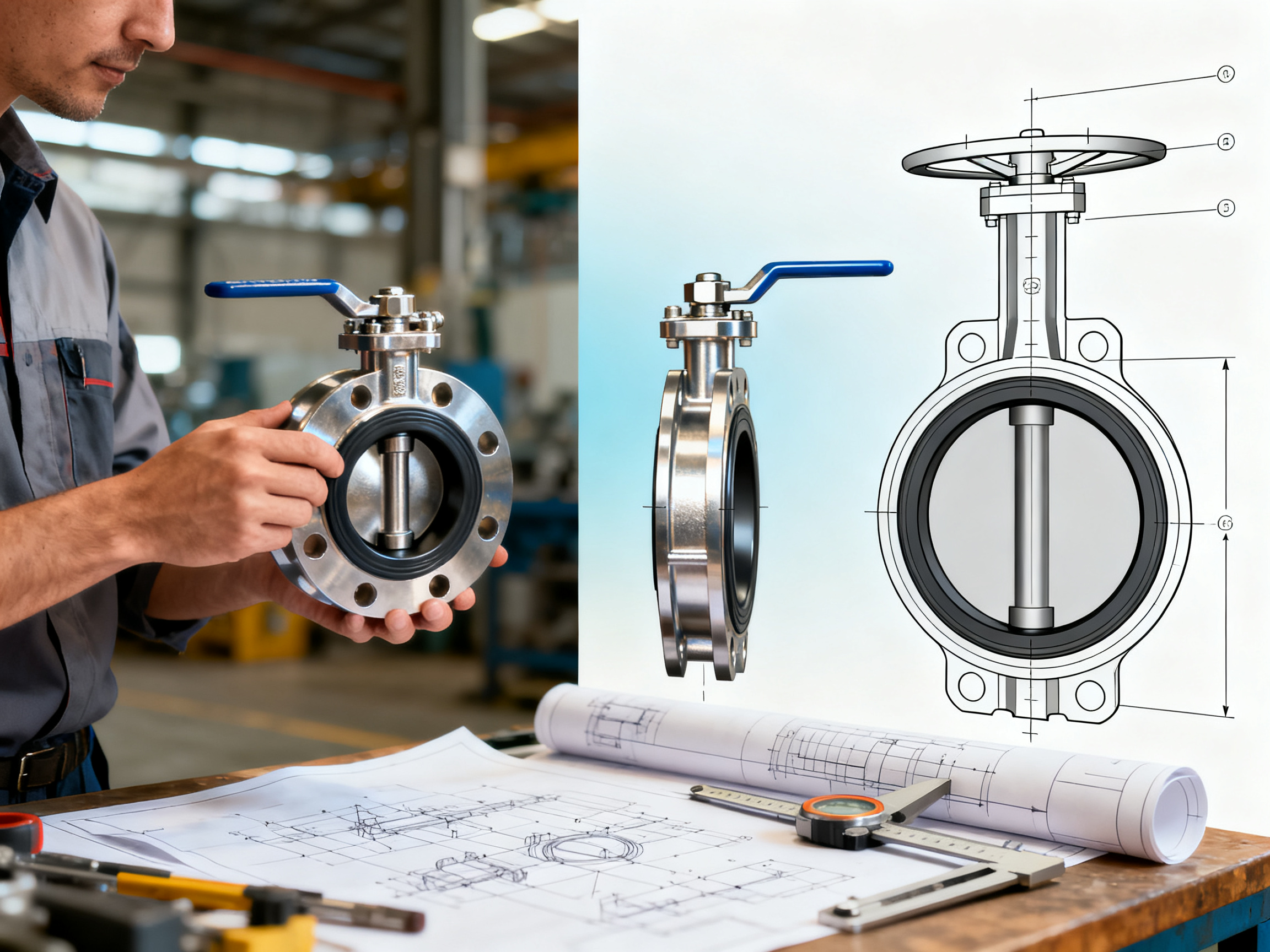
The first factor in selecting check valves involves matching valve types to specific operational requirements. Gate valves excel in full-flow applications where minimal pressure drop is crucial, while globe valves provide precise flow control in throttling scenarios. For high-pressure systems, ball valves offer quick shut-off capabilities, and butterfly valves are ideal for large-diameter pipelines with space constraints. Specialized tank valves must address containment and sealing challenges unique to storage vessels. Consider media properties (corrosivity, viscosity), temperature ranges, and pressure ratings when evaluating these options.
2. Material Selection & Durability
Material compatibility directly impacts valve lifespan and maintenance costs. Stainless steel (304/316) suits most corrosive environments, while brass or bronze may suffice for non-aggressive media. For extreme conditions, duplex steels or Hastelloy provide superior resistance. Evaluate:
- ASTM material standards compliance
- Galvanic corrosion risks in mixed-material systems
- Wear resistance for abrasive media
- Temperature-induced material degradation
3. Performance Parameters & Flow Characteristics
Technical specifications determine operational efficiency:
Consider water hammer effects, flow reversal frequency, and required sealing class (ISO 5208) when comparing these metrics.4. Installation & Maintenance Requirements
Valve accessibility impacts total cost of ownership. Globe valves often require more installation space than compact ball valves, while butterfly valves need careful alignment to prevent disk interference. Evaluate:
- In-line maintenance vs. removal requirements
- Seal replacement frequency (FDA-compliant materials for food/pharma)
- Availability of repair kits and spare parts
- Special tools or training needed for servicing
5. Regulatory Compliance & Industry Standards
Industry-specific certifications validate valve reliability:
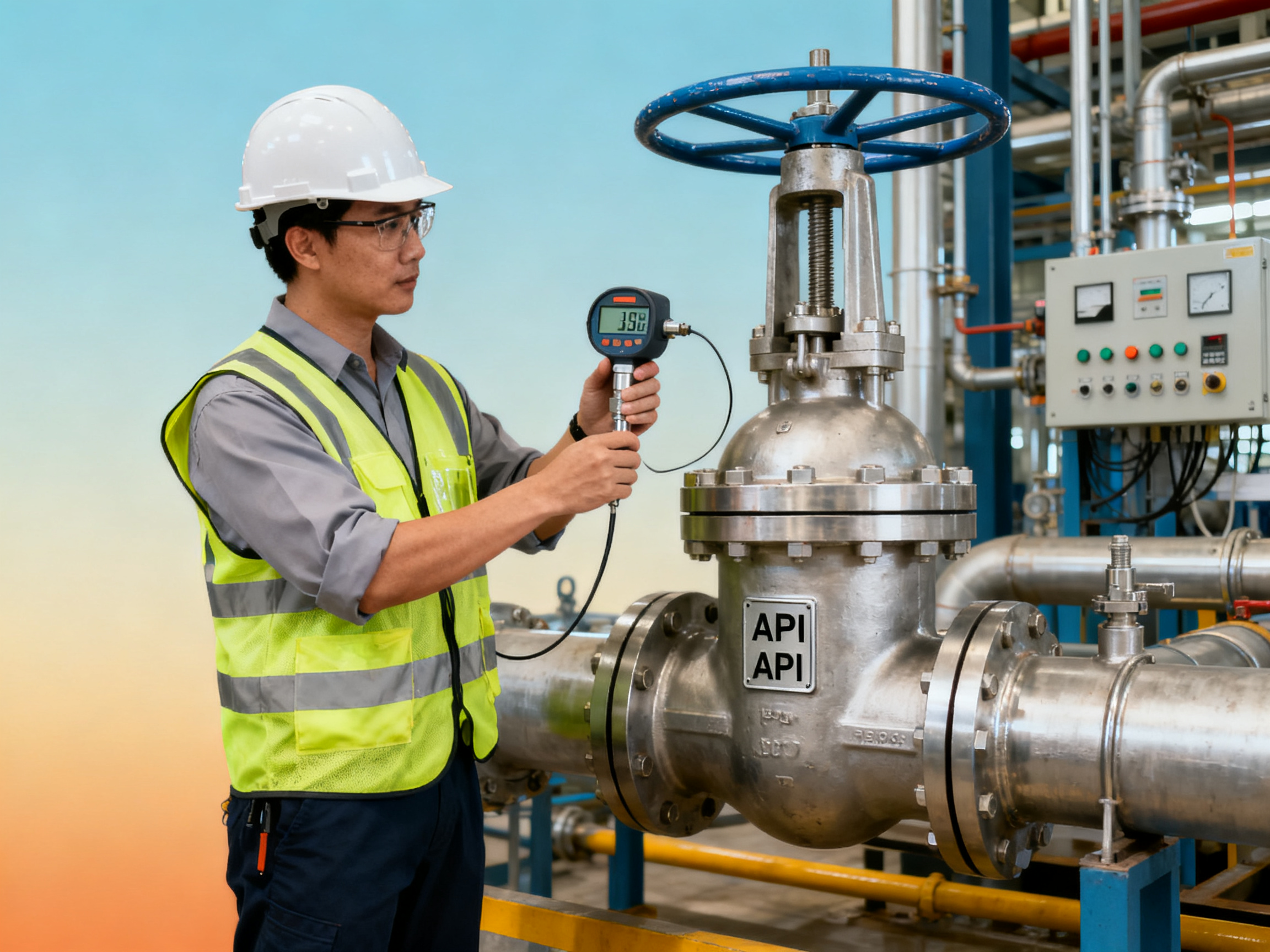
- API 6D/6A for oil & gas applications
- ASME B16.34 for pressure-temperature ratings
- PED 2014/68/EU for European markets
- FDA 21 CFR for food-grade systems
Why Partner With Valve Specialists?
With decades of cross-industry experience, our engineering team provides:
- Customized valve selection matrices for complex systems
- Lifecycle cost analysis reports
- Emergency replacement programs
- On-site performance audits